
1 Southampton Row
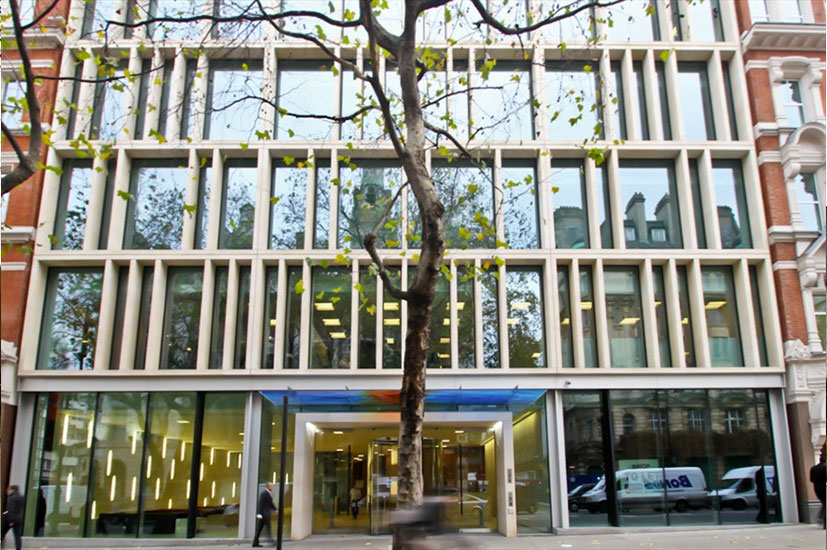
Bow Bells House
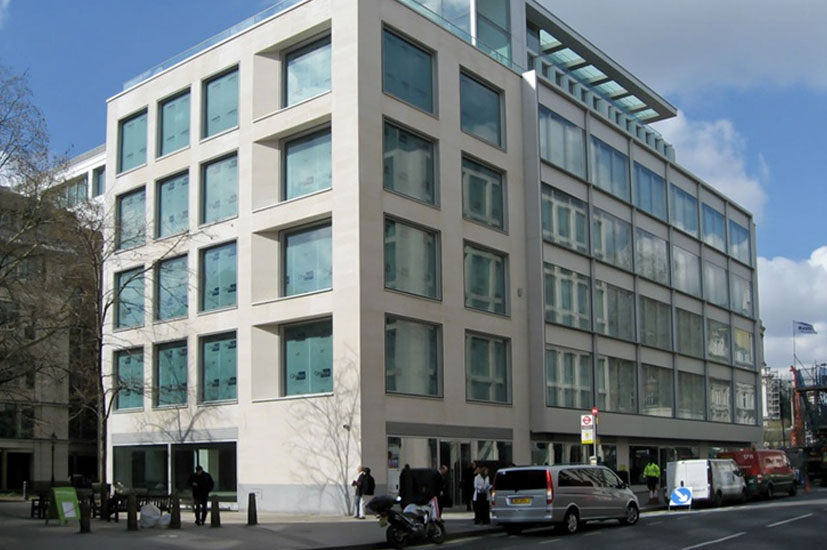
Mortimer Street
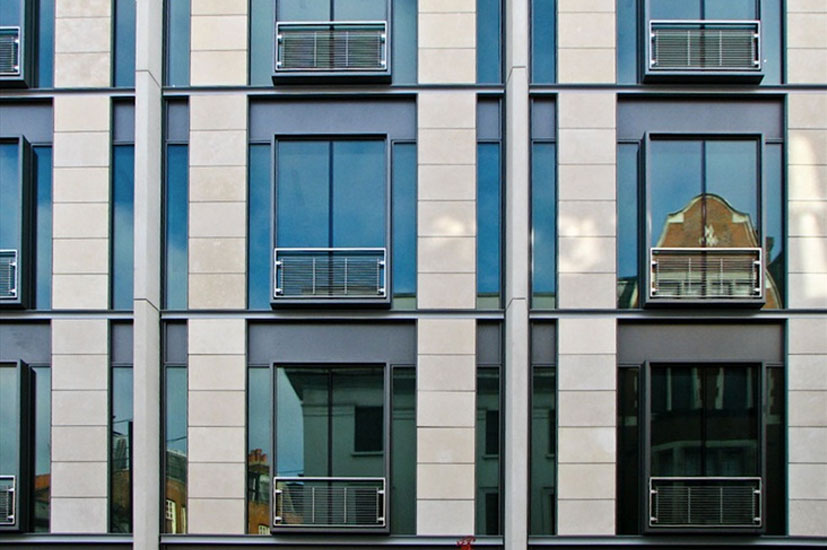
British Dental Associaton
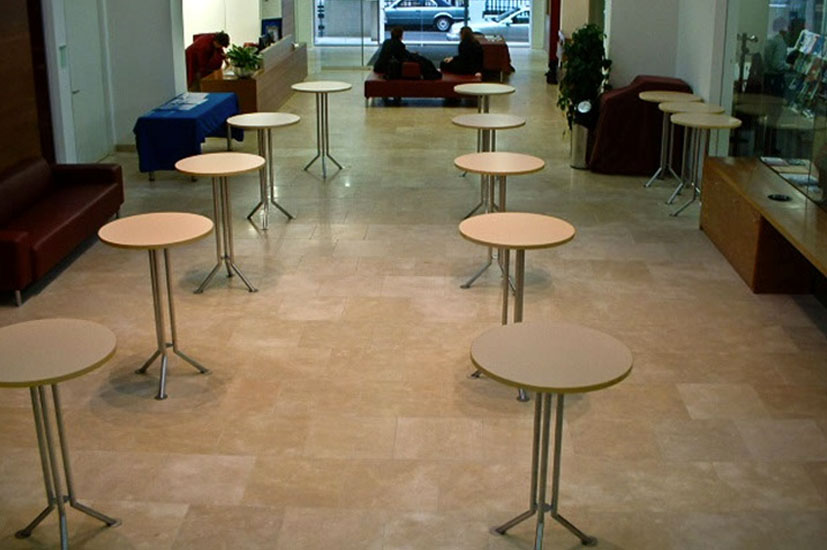
Fetter Lane
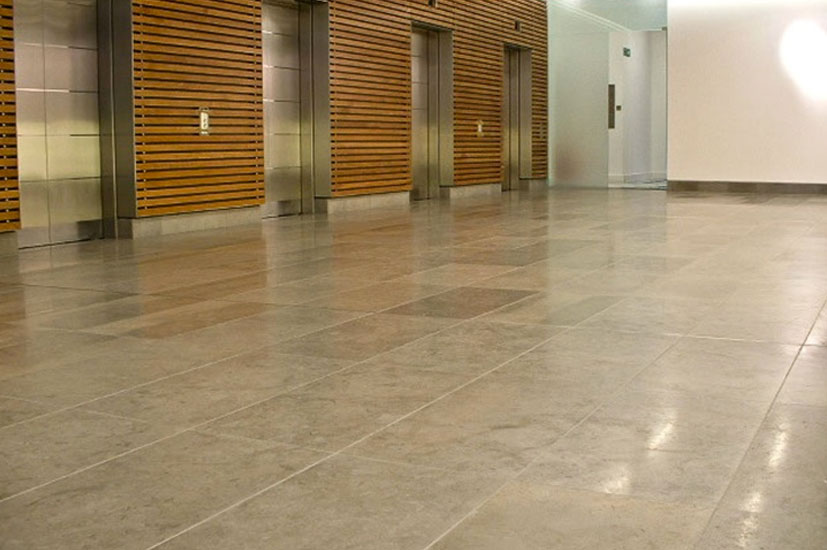
Asprey’s London
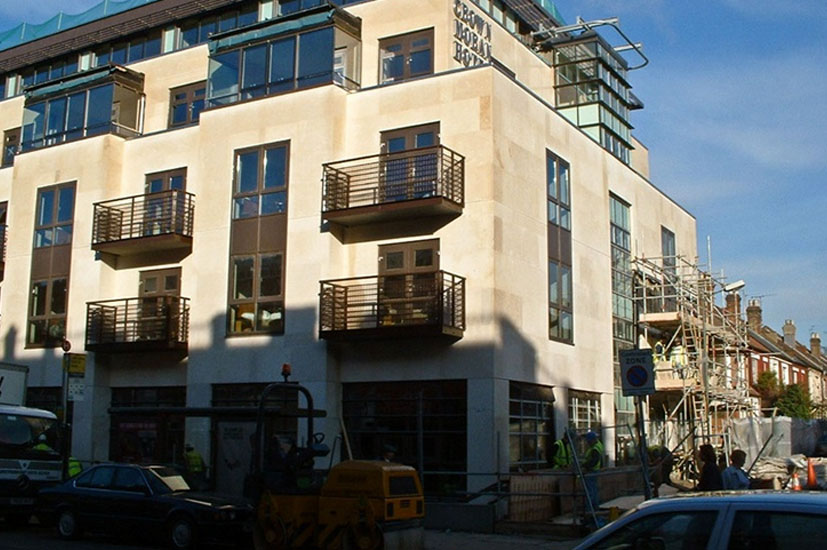
Crown Moran Hotel
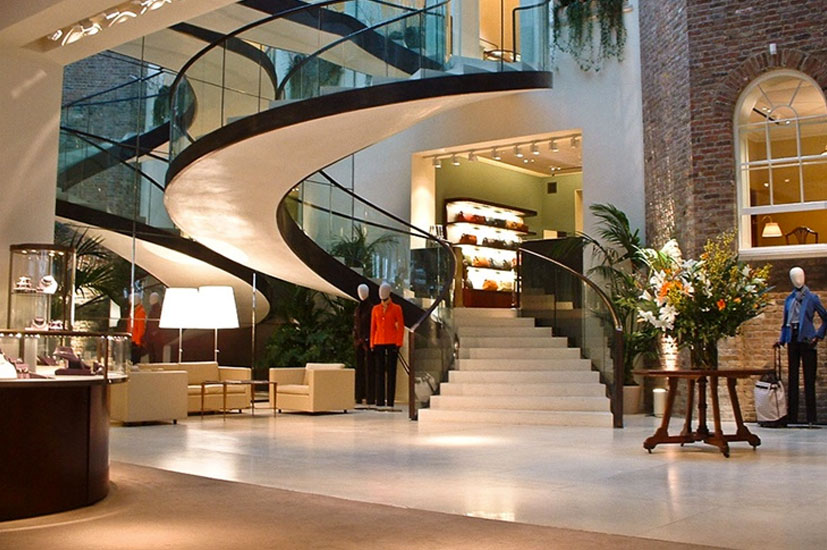
Asprey’s New York
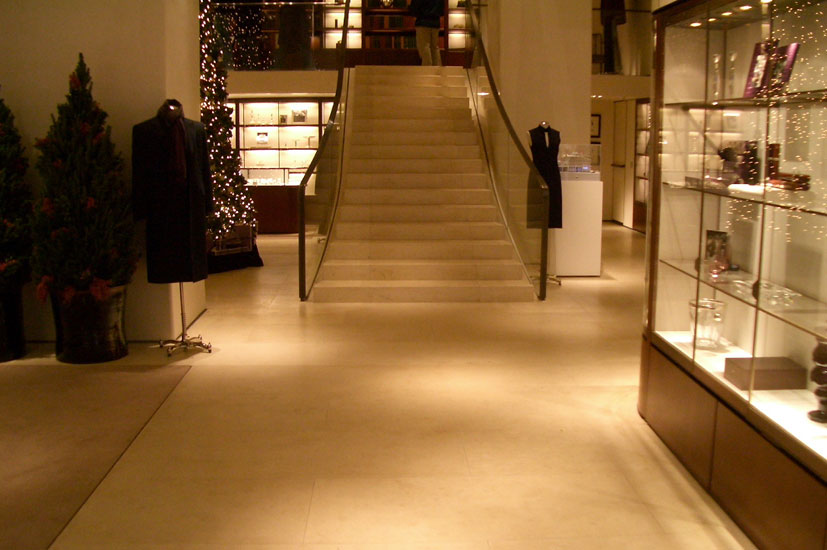
Travelodge, York

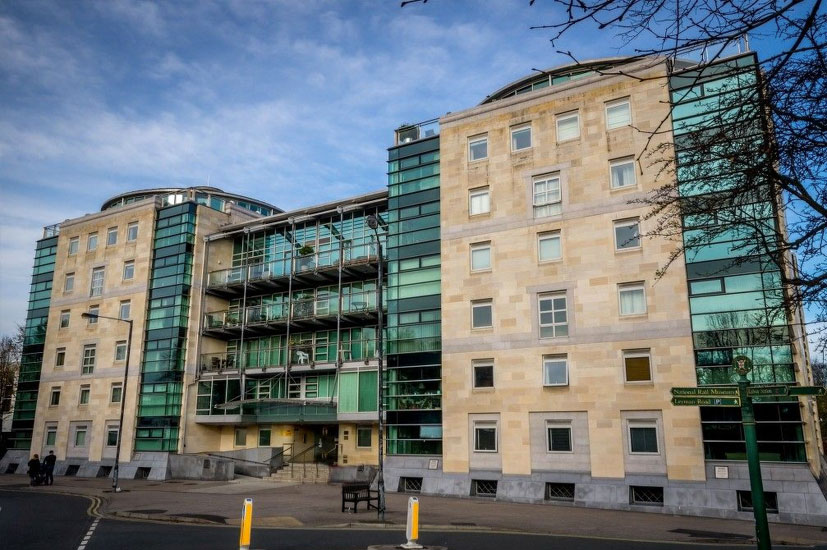
Westgate Apartments
Ancaster Basebed Limestone
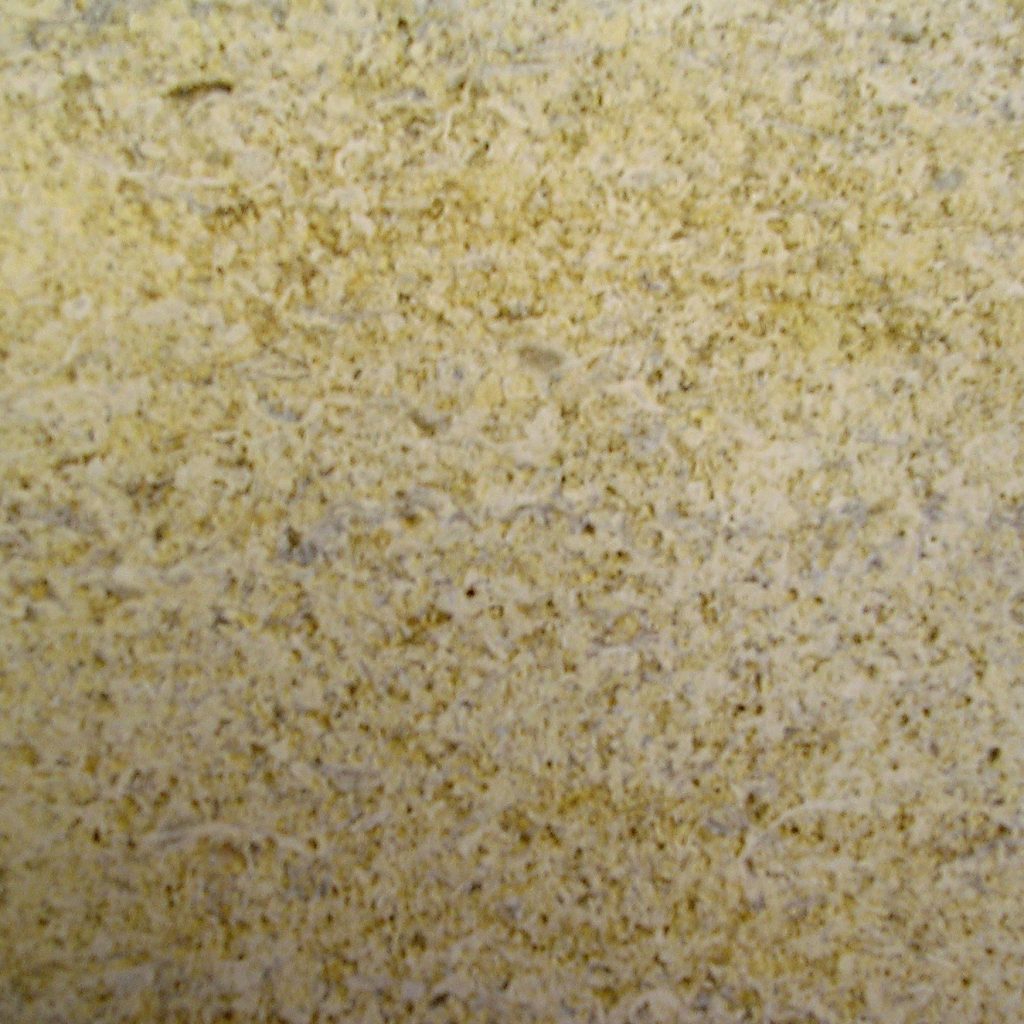
Quarried near Grantham in Lincolnshire. Basebed – not commonly known and limited yield from below the Hard White beds – this stone is similar to Clipsham stone. Average block size: 1800L x 1000W x 350H
Ancaster Weatherbed Limestone

Quarried near Grantham in Lincolnshire, this quarry yields 3 distinct beds. Weatherbed – ideal flooring material. This comes as a blue and beige mix and contains many shell fossils. Ancaster Weatherbed has been a very popular flooring stone on many churches and houses throughout the country. Other projects include the new science building at the […]
Ancaster Hard White Limestone

Quarried near Grantham in Lincolnshire, this quarry yields 3 distinct beds. Hard White has graced cathedrals and prestigious buildings including St. Pancras for many years. The stone is uniform cream in colour with occasional pink shading and varying amount of shell content. Ancaster Limestone has contributed to the heritage of many English cities including Cambridge […]
Cadeby Bed 11-13

Cadeby Limestone is part of the Lower Magnesian limestone deposit (of Lower Permian age). The Cadeby Formation limestones have been used for building in the since Roman times and there is ample evidence of its use in villas and forts from the many Roman sites along its outcrop and is now commonly used in new […]
Cadeby Bed 9-10

Cadeby Limestone is part of the Lower Magnesian limestone deposit (of Lower Permian age) The Cadeby Formation limestones have been used for building in the since Roman times and there is ample evidence of its use in villas and forts from the many Roman sites along its outcrop and is now commonly used in new […]
Cadeby Bed 7-8

Cadeby Limestone is part of the Lower Magnesian limestone deposit (of Lower Permian age). The Cadeby Formation limestones have been used for building in the since Roman times and there is ample evidence of its use in villas and forts from the many Roman sites along its outcrop and is now commonly used in new […]
Cadeby Bed 2-6

Cadeby Limestone is part of the Lower Magnesian limestone deposit (of Lower Permian age). The Cadeby Formation limestones have been used for building in the since Roman times and there is ample evidence of its use in villas and forts from the many Roman sites along its outcrop and is now commonly used in new […]
Cadeby Bed 1

Cadeby Limestone is part of the Lower Magnesian limestone deposit (of Lower Permian age). The Cadeby Formation limestones have been used for building in the since Roman times and there is ample evidence of its use in villas and forts from the many Roman sites along its outcrop and is now commonly used in new […]
Peak Moor Sandstone

Quarried on Stanton Moor near Matlock in Derbyshire and situated inside the Peak District National Park. Peak Moor is a fine to medium grained sandstone, predominantly buff in colour with occasional pink markings and / or brown iron intrusions. It is essentially a free stone and therefore almost equally durable in most common masonry applications, […]
Cove Red Sandstone

Quarried at Kirk Patrick Fleming in Southern Scotland. Cove Red is a fine grained, warm terracotta-red coloured sandstone. The stone can have distinct bed markings giving it an interesting characteristic. Cove is suitable for most masonry applications. The quarry has in its past, yielded many thousands of tonnes and at the turn of the 1900’s […]